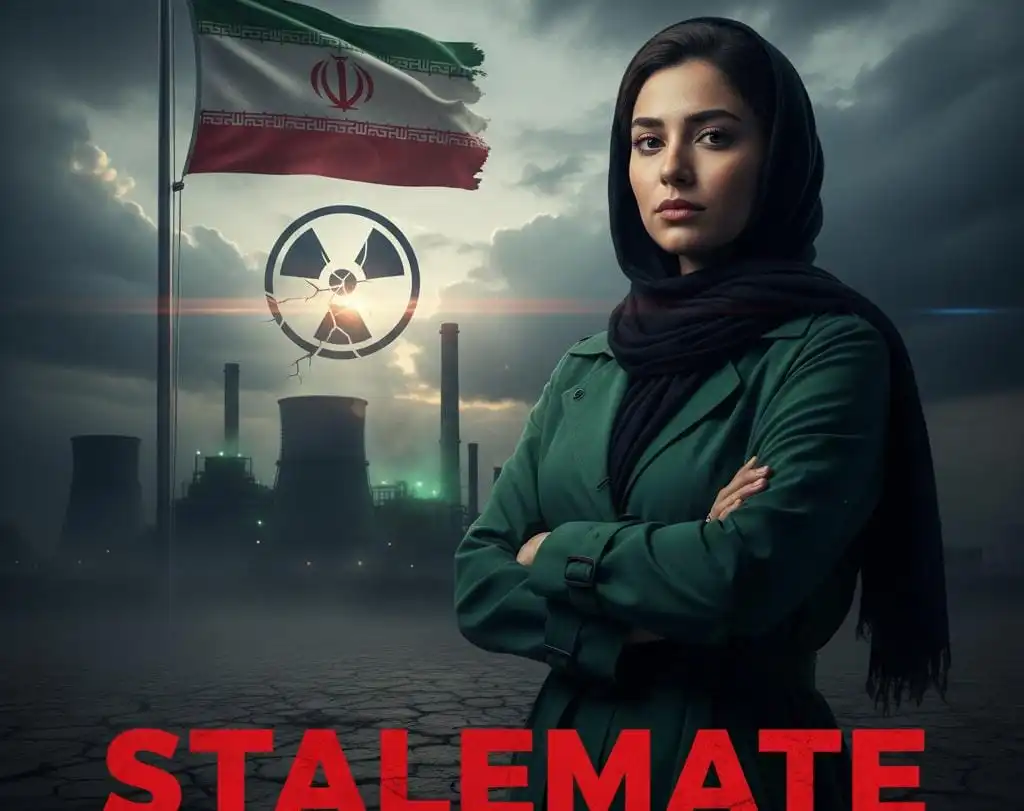
In recent years, global attention has once again turned toward the Middle East — particularly to the rising tension surrounding Iran’s nuclear program. The issue has become one of the most complex and dangerous diplomatic standoffs in modern history. With no clear resolution in sight, the situation threatens not only regional stability but also global peace and security.
This article explains the current stalemate, its roots, the positions of key countries, and what the future might hold for Iran’s nuclear program.
Understanding the Background of Iran’s Nuclear Program
To understand the current stalemate, it’s important to know how Iran’s nuclear program began. The initiative started in the 1950s under the U.S.-backed “Atoms for Peace” project. At that time, Iran sought nuclear energy for peaceful purposes such as electricity generation and scientific research.
However, after the 1979 Islamic Revolution, relations between Iran and Western powers collapsed. Since then, Iran’s nuclear ambitions have been viewed with suspicion. Western nations, especially the U.S. and Israel, argue that Iran’s nuclear program could lead to the development of nuclear weapons — something Tehran firmly denies.
The 2015 Nuclear Deal and Its Collapse
In 2015, a major breakthrough came when Iran signed the Joint Comprehensive Plan of Action (JCPOA) with six world powers — the U.S., UK, France, Russia, China, and Germany. Under this deal, Iran agreed to limit its uranium enrichment levels, reduce centrifuges, and allow international inspections in exchange for sanctions relief.
For a short while, this agreement brought hope. But in 2018, the United States withdrew from the JCPOA under President Donald Trump, reimposing harsh sanctions on Tehran. This decision reignited tensions and pushed Iran’s nuclear program back into global headlines.
Since then, Iran has gradually rolled back its commitments, enriching uranium beyond the limits set in the agreement. This has led to a dangerous cycle of mistrust between Iran and the international community.
Also Read: UAE Freelance Visa Update: New Rules, Renewal Process
Why the Stalemate Over Iran’s Nuclear Program is Dangerous
The current situation has turned into a high-stakes diplomatic deadlock. Each side is waiting for the other to act first, creating a dangerous pause where no real progress is being made.
Here’s why this stalemate is alarming:
-
Increased Risk of Miscalculation: With no communication channel open, even a small misunderstanding could trigger a military confrontation.
-
Regional Tensions: Neighboring countries like Israel, Saudi Arabia, and the UAE view Iran’s nuclear program as a direct threat, leading to an arms race in the region.
-
Global Energy Impact: Any conflict involving Iran could disrupt oil exports through the Strait of Hormuz, raising global fuel prices.
-
Humanitarian Concerns: Economic sanctions continue to hurt ordinary Iranian citizens, increasing poverty and frustration inside the country.
The longer this stalemate lasts, the more unpredictable the outcomes become.
The Role of Major Powers
1. United States
The U.S. continues to pressure Iran through sanctions, demanding that Tehran return to full compliance with the 2015 deal before negotiations resume. However, Iran insists the U.S. must lift sanctions first.
2. European Union
The EU is trying to mediate between both sides, urging diplomacy and restraint. European nations still support the JCPOA but are struggling to keep it alive without U.S. cooperation.
3. Russia and China
Both countries have deepened their economic and security ties with Iran. They oppose Western sanctions and have supported Iran’s right to peaceful nuclear energy under international supervision.
This great power rivalry has made Iran’s nuclear program a symbol of larger global tensions between East and West.
Iran’s Perspective
Iran maintains that its nuclear program is entirely peaceful and meant for energy production and medical research. Officials in Tehran argue that as a signatory of the Non-Proliferation Treaty (NPT), the country has every right to develop nuclear technology for civilian purposes.
However, Iran also believes it has been unfairly targeted by Western countries. The repeated sanctions have weakened its economy, leading to inflation and unemployment. Many Iranians see the Iran’s nuclear program as a matter of national pride and sovereignty rather than aggression.
Possible Future Scenarios
The future of Iran’s nuclear program depends on several factors — including diplomacy, leadership changes, and international pressure. Below are three possible outcomes:
-
Renewed Negotiations: The most hopeful scenario is that both the U.S. and Iran return to talks, possibly under a new framework that builds on the 2015 deal.
-
Continued Stalemate: If both sides remain rigid, the current deadlock may continue, leading to further tension in the Middle East.
-
Military Escalation: The worst-case scenario involves a preemptive strike by Israel or others if Iran is perceived to be nearing nuclear weapon capability.
Diplomatic dialogue remains the best path forward, but it requires trust — something that is currently in very short supply.
Why the World Should Care
The stalemate over Iran’s nuclear program isn’t just a regional issue — it’s a global one. A nuclear-armed Iran could drastically change the balance of power in the Middle East and beyond. Furthermore, any conflict involving Iran could pull in major powers like the U.S., Russia, and China, risking a wider confrontation.
Additionally, the humanitarian cost of prolonged sanctions and isolation is immense. Millions of ordinary Iranians suffer from inflation, lack of medical supplies, and restricted trade.
The world cannot afford to ignore this dangerous impasse.
Conclusion
The ongoing stalemate over Iran’s nuclear program represents one of the most serious geopolitical challenges of our time. Years of mistrust, broken agreements, and political posturing have created a deadlock that threatens international peace and stability.
While diplomacy may seem difficult, it remains the only realistic solution. The international community must renew efforts to build trust, reopen dialogue, and ensure that Iran’s nuclear program stays peaceful and transparent.
In 2025 and beyond, the choices made by world leaders will determine whether this stalemate leads to peace — or to another devastating conflict in the Middle East.